Dealing with a sticking door frame can be frustrating. Many homeowners wonder, "Why does my door frame keep sticking and how to fix it?" This issue often arises due to various reasons such as weather changes, humidity, or even the settling of the house. A door that sticks can disrupt daily activities and affect your home’s security.
Understanding the root of the problem is essential. Cracked wood or warped frames may cause misalignment. This can lead to the door not closing smoothly. Additionally, improper installation or hinges that need adjustment can also be contributors.
Fixing a sticking door frame is not an impossible task. In many cases, simple DIY solutions can resolve the issue. You might need to sand, shim, or realign the door. However, some fixes require careful consideration. Rushing repairs without proper assessment can lead to more problems. Taking the time to understand the cause can save time and effort in the long run.
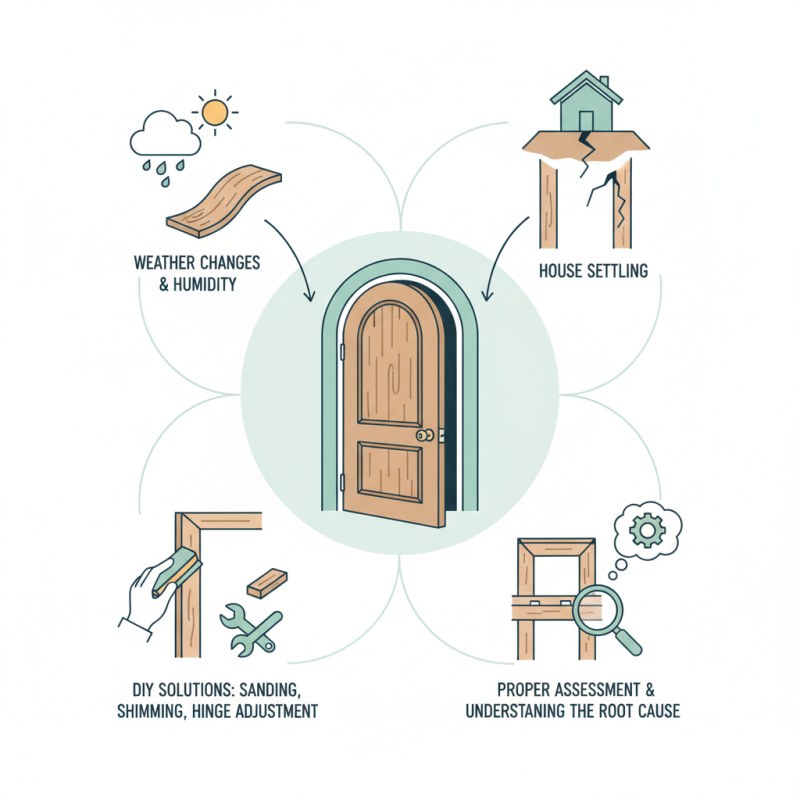
Door frames can stick for several reasons. Most commonly, changes in humidity and temperature affect wood. When wood absorbs moisture, it expands. This can cause frames to warp and doors to jam. Seasonal weather changes can exacerbate this issue. Understanding the materials in your door frame is crucial for solving the problem effectively.
Another factor to consider is the installation of the door itself. If it is not aligned properly, it may rub against the frame. Over time, screws may loosen or the hinges may wear down. Regular inspection can prevent this from becoming a nuisance. While DIY fixes are possible, professional assistance is sometimes required to ensure precision.
Occasionally, your door frame may stick due to foundation settling. This can shift the door alignment. Look for cracks in the walls or ceilings. These signs suggest deeper issues that might need addressing. Being aware of these factors will help in maintaining a smooth-functioning door.
Humidity and temperature play crucial roles in the movement of door frames. When humidity levels rise, the wood in the frame absorbs moisture. This expansion can make doors stick or hard to close. Conversely, low humidity can lead to drying and contraction of the wood. A study by the American Wood Council found that wood can expand or contract by as much as 1/8 inch for every 20% change in humidity. These shifts can cause your door frame to warp over time, leading to alignment issues.
Temperature changes also affect door frames. When temperatures rise, materials can expand. This might not always result in noticeable changes immediately. However, repeating cycles of heating and cooling can weaken joints. A report from the Building Research Establishment indicates that thermal movement can contribute to 80% of structural defects. As a homeowner, understanding this can help in maintaining door frames. Regular checks during season changes can prevent significant issues later on.
These factors aren't consistent. Each home is unique, with different construction materials and environmental conditions. Sometimes, you might notice uneven gaps around the frame. Reflecting on these variations can lead to better maintenance strategies. Being proactive can save you headaches down the road.
A sticking door frame can be an annoying issue. Many homeowners experience it, often without realizing the causes. Common signs indicating your door frame needs adjustment include
gaps,
uneven edges, and sticking doors. According to a report from the American Association of Home Inspectors, approximately
30% of homes experience some form of door misalignment.
Often, seasonal changes lead to wood expansion, causing frames to stick. Doors might not close smoothly or may scrape against the frame. In humid climates, moisture can swell the wood, exacerbating the problem. Regular inspections and a keen eye for changes can help you catch these issues early.
Tip: Maintain a consistent indoor humidity level. Using a dehumidifier can help reduce wood swelling. If you notice a sticking door, lubricate the hinges first. This simple fix can sometimes resolve the issue without further adjustments. However, if the problem persists, a more in-depth evaluation may be necessary.
Consider the age of your home. Older structures are more prone to shifting foundations. A survey from the National Association of Home Builders indicates that nearly
25% of homes face shifting issues over time. Frequent checks on door operation can save you from larger repair bills later.
A sticking door frame can be a frustrating issue. One common cause is seasonal humidity changes, which can cause wood to expand. According to the National Association of Home Builders, approximately 30% of homeowners report door issues due to environmental factors. This highlights the importance of understanding the problem before diving into repairs.
Start by inspecting the door frame for visible gaps or warping. If you notice significant misalignment, consider using a plane to shave down the edges. Professionals suggest removing about 1/16 inch from the top or side of the door. This can effectively resolve many sticking problems without needing a full replacement. Be cautious; over-adjusting can lead to a larger issue.
In some cases, humidity may also lead to the door swelling. A dehumidifier can help regulate moisture levels, but it’s not a complete solution. It's critical to ensure proper ventilation in the affected area. This proactive approach may save you from dealing with persistent sticking issues in the future. Regular maintenance checks can prevent bigger problems down the line. Remember, sometimes a simple adjustment may lead to better door function.
If you're experiencing a sticking door frame, it might be time to consider professional help. Sometimes, these issues stem from underlying problems such as foundation shifts or moisture damage. These are not easy fixes and may require the expertise of a carpenter or contractor.
Before deciding to call a professional, assess the situation thoroughly. Check for humidity levels in your home. High humidity can cause wood to expand, leading to sticking. Inspect the frame for signs of damage or warping. If you notice significant issues, seeking help is wise.
Tips: If the sticking is minor, you can try sanding the edges of the door frame. A slight adjustment may resolve the issue. Another option is to add a dehumidifier to your living space. Control the humidity to prevent future problems. Remember, neglecting serious issues can lead to costly repairs down the line. Don’t hesitate to seek help if you’re unsure about DIY fixes.
| Issue | Possible Causes | DIY Fixes | When to Call a Professional |
|---|---|---|---|
| Door Frame Sticking | Humidity, Warping, Structural Shifts | Adjust Hinges, Apply Lubricant, Trim the Frame | If door is misaligned, extensive repairs needed |
| Cracked Frame | Age, Weather changes | Repair with Wood Filler, Sand and Paint | If crack is structural, replace frame |
| Door Not Closing Properly | Hinge Issues, Frame Damage | Realign Hinges, Check for Obstructions | If misalignment persists after adjustments |
| Gaps Around the Frame | Shrinkage, Poor Installation | Use Caulk or Weatherstripping | If gaps lead to security or energy efficiency issues |
: Look for gaps, uneven edges, or sticking doors. These are common indicators of misalignment.
Seasonal changes can cause wood expansion, making doors stick and not close smoothly.
High humidity can swell wood, worsening sticking issues in door frames.
Check humidity levels, look for damage, and assess the frame's condition for signs of warping.
Yes, minor sticking can sometimes be resolved by sanding edges or lubricating hinges.
Regular checks can help catch problems early and avoid larger repairs later on.
If you find significant damage or suspect foundation shifts, professional help is recommended.
Consistent humidity levels prevent wood from swelling, reducing the chances of door frame issues.
Ignoring issues can lead to costly repairs and more extensive damage over time.
If you're wondering, "Why does my door frame keep sticking and how to fix it," there are several factors to consider. A sticking door frame often results from changes in humidity and temperature, which can cause the wood to expand or contract. Common signs that indicate your door frame is in need of adjustment include difficulty in opening or closing the door, visible gaps, or noticeable warping.
To address these issues, a step-by-step guide can be helpful—begin by identifying the root cause, such as humidity levels, and then make necessary adjustments. This may involve tightening screws, planing the door, or realigning the frame. In cases where simple fix attempts fail, seeking professional help may be the best option to prevent further damage and ensure your door functions smoothly.

Green Earth Wood